
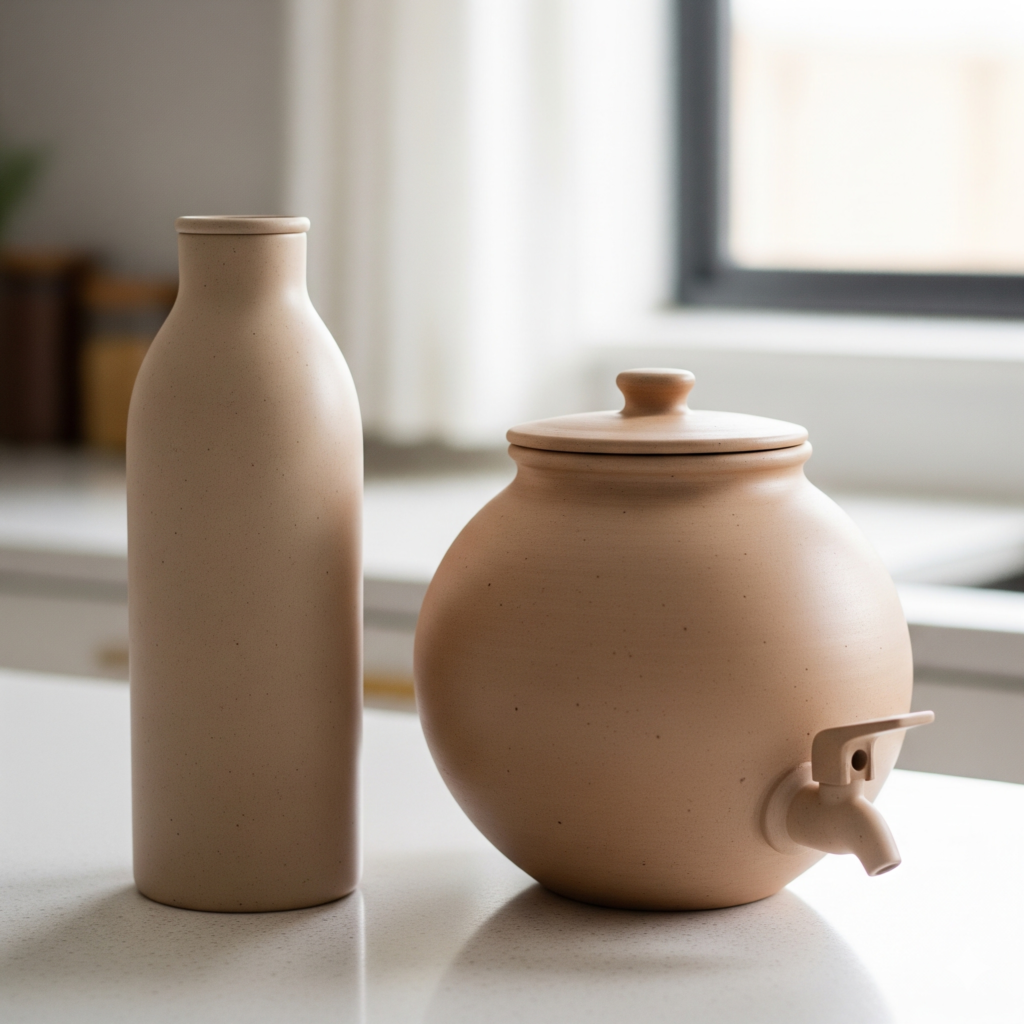
If you’ve been selling or buying handmade products for a while, you’ve probably noticed something strange. Two similar clay pots.
One sells for ₹300 in a local market.
The other sells for ₹2,000–₹3,000 online. Same material. Same purpose.
So what’s the difference? It’s not just “handmade” anymore.
The Truth About Handmade Products Today
A few years ago, just calling something handmade was enough. People loved the idea of natural, traditional, and locally made products. But in 2026, things have changed. Customers are more aware now. They don’t just ask:
“Is this handmade?” Is it safe to use daily? Is it really chemical-free? Will it last long? Can I trust this brand?
That’s where most sellers lose.
Why Some Handmade Products Don’t Sell
Let’s be honest. A lot of handmade products are on the market:
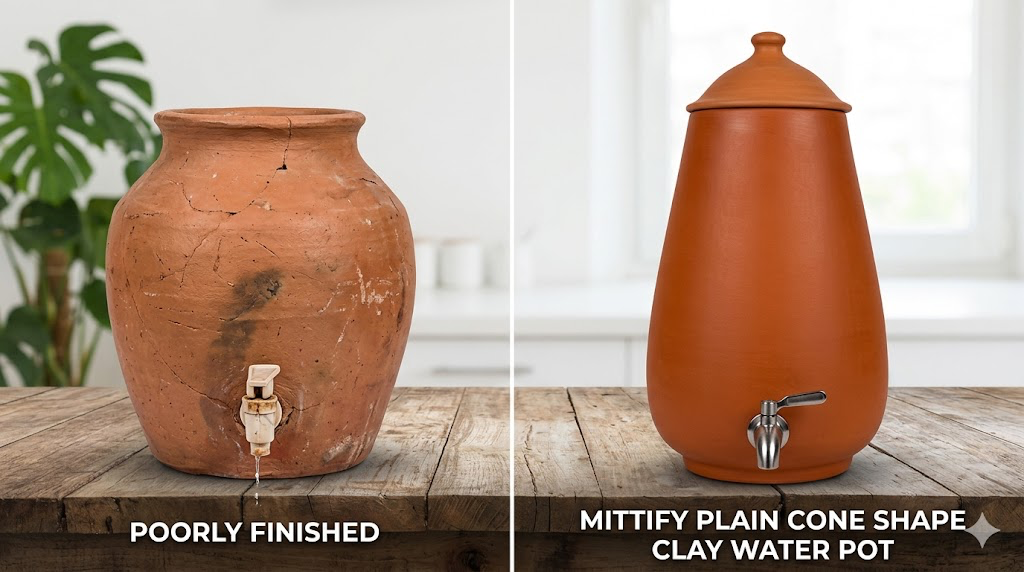
- Don’t have proper finishing
- Don’t mention safety or materials clearly
- Look inconsistent
- Don’t tell any story
So even if the product is good, customers see it as just another item.  And when that happens, price becomes the only deciding factor.
What Makes a Product Premium Today
Today, people don’t just buy a product.
They buy trust. That’s why branded handmade products perform better. They:
- Clearly explain how the product is made
- Focus on safe, natural materials
- Maintain consistent quality
- Show real usage (not just photos)
When people understand what they’re buying, they’re ready to pay more.
Safety Matters More Than Ever
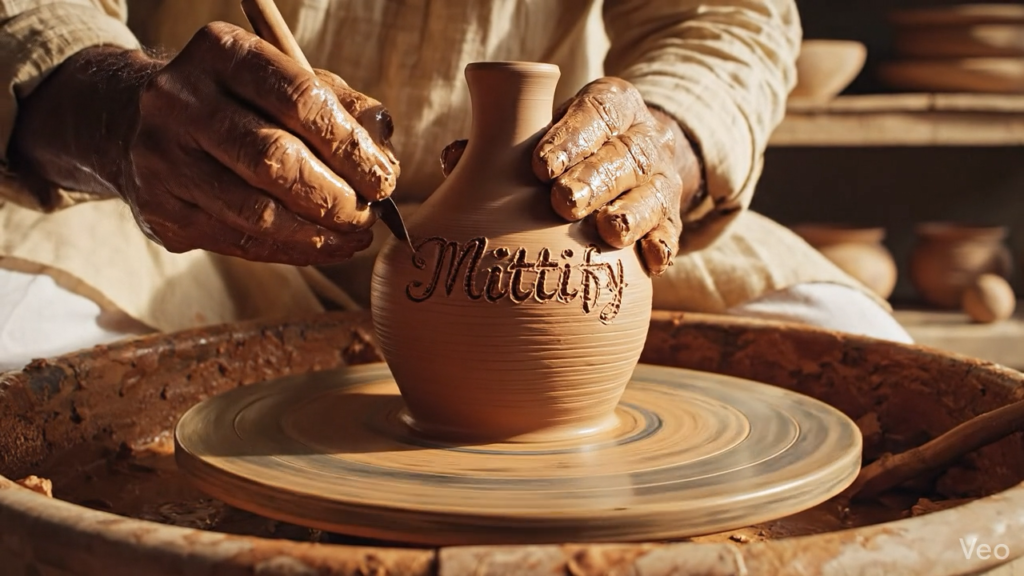
This is something many people don’t talk about enough. Not all “handmade” products are safe. Some common issues in low-quality products:
- Chemical coatings for shine
- Poor quality clay or raw materials
- Improper firing process
- Weak structure that cracks easily
For something you use daily—like a water pot or cookware—this matters a lot. That’s why customers now prefer brands that are transparent about:
- Materials
- Process
- Usage
Why Branding Is Important (Even for Handmade Products)
Branding doesn’t mean fancy logos. It means:
- Being clear about what you offer
- Being consistent
- Building trust over time
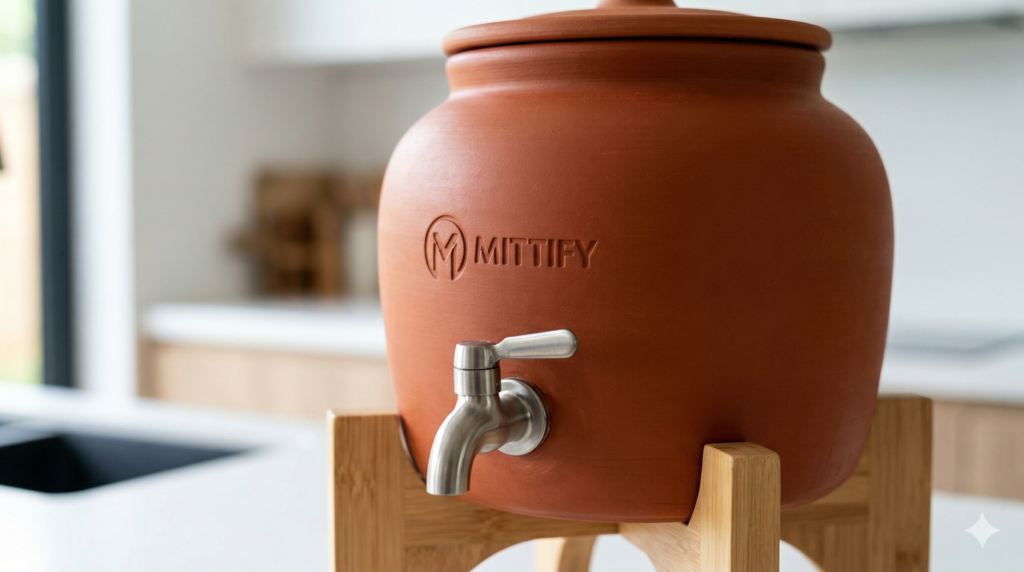
When a brand does this well:
- Customers come back
- They recommend it to others
- Price becomes less of an issue
That’s the real difference between a ₹300 product and a ₹3000 product.
What Customers Want in 2026
Here’s what actually works now:
- Simple, clean design
- Natural and safe materials
- Honest communication
- Real-life usage videos
- A story behind the product
People want to feel connected to what they buy.
Where Mittify Fits In
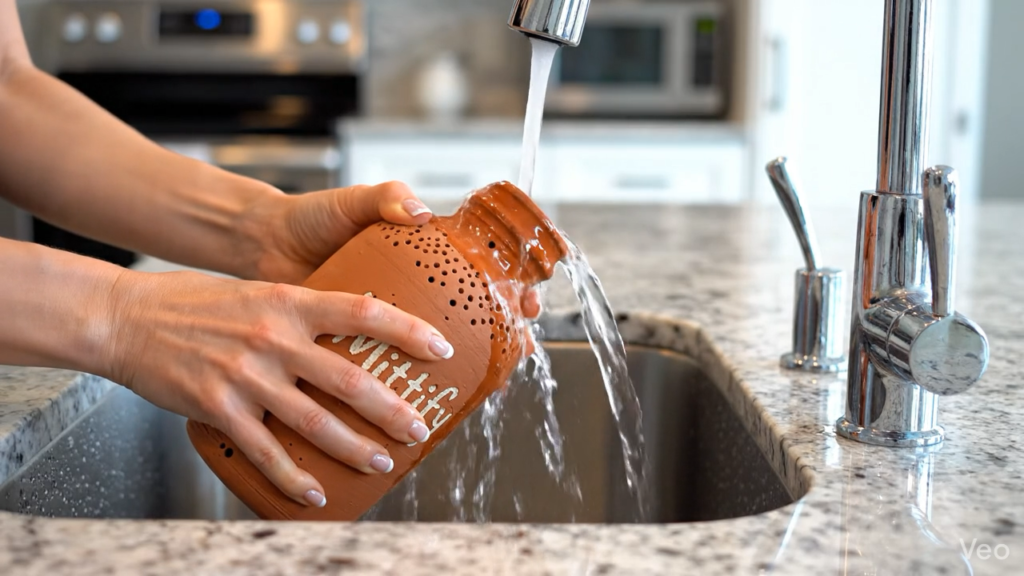
Brands like Mittify are part of this new shift. Instead of just selling clay products, the focus is on:
- Traditional methods
- Everyday usability
- Clean and minimal design
- Products that fit modern lifestyles
This is what today’s customer is looking for — something that feels both authentic and reliable.
Final Thoughts
“Handmade” is still important.
But it’s just the starting point now. What really matters is:
- Trust
- Safety
- Consistency
- Experience
If a product can deliver all of this, it’s no longer just a product. It becomes something people value, use daily, and even recommend to others.
Visit : https://mittify.in
